If you’re new to content creation, or working with a tight budget, free resources are worth their weight in gold. But with free tools or content often comes limitations or catches – and that includes stock footage. Quality, legal risk, and time are just some of the things you can be putting at risk when you choose free stock footage over premium options.
In this post, we’ll break down what you actually get with free vs premium stock footage or video, where the biggest differences lie, and how to decide which one is right for you.
5 things that separate free clips from premium stock footage
When it comes to free clips vs premium stock footage that you pay for, there are five key things that separate them – resolution, library depth, exclusivity, licensing, and quality control.
| Resolution | Library depth | Exclusivity | Licensing | Quality control | |
| Free stock footage | Usually capped at HD, limited 4K, inconsistent compression | Smaller, with significant gaps, often missing niche topics, rare or inconsistent updates | Same clips tend to be reused across millions of videos | Varies wildly by site, and even by clip, requiring careful review of terms | Minimal vetting |
| Premium stock footage | HD, 4K, 5K, 8K, professional color and lighting | Large, broad category coverage with weekly updates | Curated selections, less oversaturation and exclusive options | Standardized plain-language commercial use license | Strict submission standards, dedicated team that approves and reviews contributors |
Resolution and quality – why that “4K” clip might not actually be 4K
If you’re new to filming, editing, and creating video content, you may not know that resolution isn’t the whole story when it comes to quality. Bitrate, compression, and color grading matter just as much. For example, a 4K clip that gets uploaded by a user onto a free site or saved without the proper settings can still be considered 4K by resolution data alone, but end up compressed and have motion artifacts that bring the overall quality down.
With premium stock footage libraries like Storyblocks, our in-house content team carefully reviews every submission to make sure it meets our strict standards. That includes everything from resolution quality to lighting, color grading, frame rate, and more. We also collect that data with every submission to make sure it matches and to allow our members to search clips with that information.
Library depth – can you actually find what you need?
The majority of free stock libraries are much smaller in size compared to paid, premium stock libraries. Because of that, they tend to be more limited in what they offer – so while you can probably easily source more generic footage, finding something niche or specific will be a challenge.
That’s not to say the size of a library is everything – but when you’re talking about a few hundred or thousand clips compared to millions, chances are the larger library will have what you’re looking for, with a better selection. With larger, premium footage libraries, they’re also more likely to be adding new content regularly. For free libraries, updates might be less frequent.
Let’s take two free stock video sites for example – Vidsplay only has 500 free clips available, while Pexels has around 120,000 free clips. If I search “classroom” on Vidsplay, it returns zero results. Meanwhile, Pexels has over 4,000 classroom videos, which is better, but depending on the kind of shot you’re looking for, might get limited quickly. Storyblocks, on the other hand, has over 23,000 clips of classrooms – which gives you much more selection and variety.
Exclusivity – clips you won’t find anywhere else
The reason why most free stock video clips are free to use is because they fall into the public domain, which essentially makes them copyright-free. But since they’re in the public domain, that means anyone is free to use them – so they tend to be used more frequently in shows, videos, and even movies.
So when you go to browse the selection of options for free stock clips, there’s a good chance you’ll recognize the ones you find. With premium stock footage, however, a lot of libraries have exclusive footage that you can’t find anywhere else. So when you browse those options, you’ll not only see a bigger selection, but more unique choices that your audience is way less likely to recognize or have seen before.
While reused footage doesn’t mean a death sentence for your video’s performance and shouldn’t be a dealbreaker, especially if you’re on a tight budget, it does matter more as your audience grows and as you’re building a brand identity for yourself or your channel.
Licensing clarity – the part everyone ignores until it costs them
While it’s easy to download free stock footage from a website, that doesn’t mean you can use it however you want. Every clip comes with a license that you should definitely read over before you add it into a project, and make sure you understand any restrictions or terms you need to follow.
One big thing with free stock footage is that while you can download the clip without paying, you usually need to provide attribution or credit to the place you got it from. The exact requirements can vary, whether it’s adding a link to the website in your video description or providing more detail beyond that, but it’s essentially the exchange you need to meet for getting a free download.
Free clips can also have use restrictions, such as limitations on commercial use, being editorial-only, or not having model or property releases that are required for some projects. Because it also varies from website to website, you’ll need to check the license each time to ensure you’re following it and avoiding any issues down the line. In some cases, the license terms may even vary from asset to asset on the same website.
Premium stock footage libraries, on the other hand, tend to have one standardized license that covers everything in their library. There are exceptions, of course (like Shutterstock or other pay-per-clip options), but most of the time as long as you read the terms of that license, you should know what’s allowed and not allowed in terms of use.
See Storyblocks’ full Individual License here, written in plain terms to make it easy to understand. We also have a license comparison breakdown, so you can see the differences between each of our three licenses in one place.
Contributor quality control – who’s actually behind the footage?
Free footage resources often have open or minimal moderation processes when it comes to who can submit to their library, so quality and consistency can vary from clip to clip. That’s also because free clips mean the creator isn’t getting royalties, or payments, from either the company/platform or the people using them, so it’s less attractive to anyone hoping to make an income off their work.
Premium stock footage libraries and websites, on the other hand, usually offer royalty-free licensing, which means creators are paid directly whenever anyone downloads their footage (or their payment is based on that, along with other factors). Being able to make an income off of their work is ideal for most artists,so there’s more incentive for them to work with premium providers.
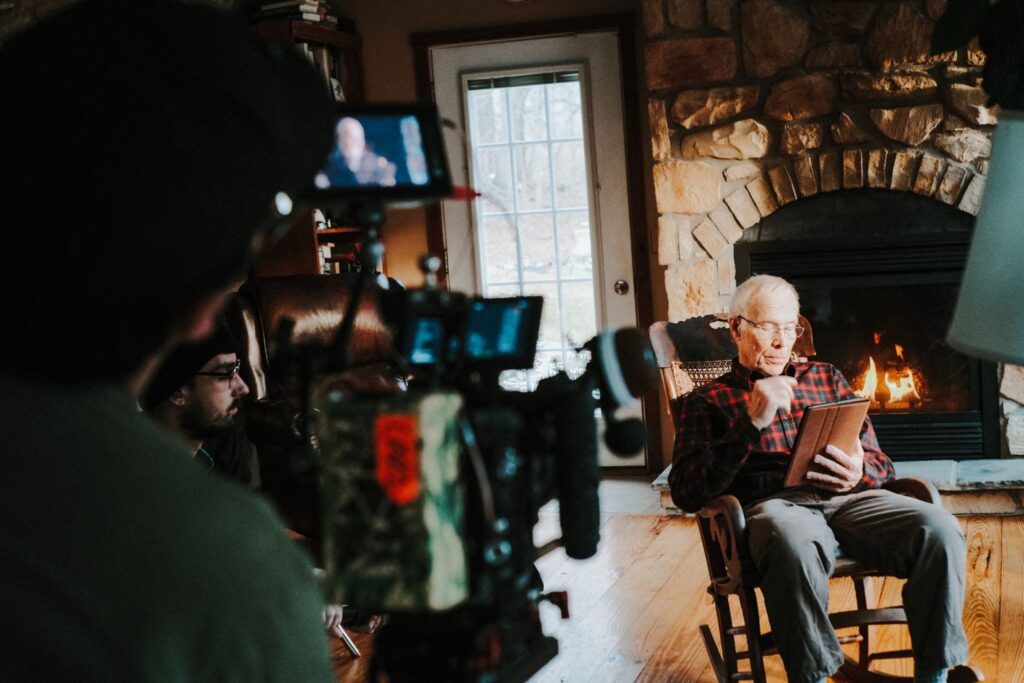
At the same time, on the company or website side, since they’re asking people to pay for access to these clips, there’s more of a reason to hold their library and selections to a higher standard. Because of that, they have a stricter vetting process for artists who apply, and higher standards for the technical and creative aspects of the work submitted.
Storyblocks, for example, has an entire team who reviews every artist who applies to be in our library, along with reviewing every submission to make sure it meets our strict quality standards. We do that to ensure that our members always have the best selection to choose from, and that our stock footage is well worth the price of their subscription, along with having content that feels genuinely authentic and isn’t repetitive of what we already have available in our library.
The Storyblocks library is 100% human-made for the same reason – we believe that the best creative and authentic work comes from real people. So you won’t find any AI-generated assets in our library. Free footage libraries, on the other hand, will usually have a mix of human-made and AI-generated – though most do provide a filter to let you choose one or the other.
Which should you use: free or premium stock footage?
Ultimately, the decision comes down to what you can realistically afford and what makes the most sense for you, your project (or client), and your budget. Free footage is genuinely very useful for practice projects, personal content, or experimentation – so there’s no shame in starting there when you need to.
But if your content is monetized, you work for a client, or you represent a brand, licensing and quality matter much more than just saving money. You can’t risk getting your client into legal trouble or getting hit with a copyright claim.
The upside of paying for premium content means you get the protection and indemnification insurance in case anything does happen. But it’s also way less likely to happen, because of the nature of how premium licensing is set up and how their libraries are curated.
Storyblocks – premium stock footage without the premium price tag
With Storyblocks, everything in our library is 100% human-made by real, vetted artists who are professionals in their field. We take pride in compensating our artists fairly, with a portion of every subscription going towards that compensation. Our artists are the best of the best, since we have a dedicated team who only accepts less than 5% of the submissions we get, following our strict quality standards.
But beyond the artists, our stock footage is high-quality, available for download in multiple formats and HD, 4K, and 8K resolutions. Our entire stock library is over 10 million assets strong, giving you a wide selection of video templates, music, images, sound effects, and more. Best of all, every asset is covered by one all-encompassing license, so you’re always protected with straightforward terms.
Our pricing structure is also affordable and flat rate for unlimited downloads, which helps you save more compared to pay-per-clip pricing. But your subscription doesn’t just get you unlimited downloads of over 10 million human-made stock assets – you also get access to time-saving tools for every stage or production at no extra cost. With Storyblocks, creators end up saving money and time, with most saving an average of 14 hours a month.