Content creators often aren’t clear on the difference between copyright-free and royalty-free. While these terms sound alike, they mean very different things. And knowing the difference matters a lot when you’re making content.
Copyright protects original work, while royalties are payments made for permission to use that work. The truth is that completely copyright-free content, which you can use without attribution or payment to the original creator, is rare. Many people mix them up, but getting this right can save from legal headaches and unexpected fees. Keep reading to unlock the secrets behind these terms and make smarter choices for your projects.
What is a copyright?
Copyright is a legal term used to define ownership over an originally created work. Typically, copyright applies to works of creative expression such as written works, music, video, works of art, photos, etc. While there is a process to register copyrightable work with the US Copyright Office, you do not need a certificate to declare ownership over your original work.
Owning the copyright to an original work means that you control who is allowed to use, distribute, re-use, sell, perform, and/or otherwise exploit that work. If you use a work without permission from a copyright holder, you are committing copyright infringement and may be subject to fines. It is important to note that you may be guilty of copyright infringement without intending to steal from another person. Accidental or unintentional infringement is still infringement.
What is a royalty?
A royalty is a fee paid to a rights holder in exchange for the right to use their copyrighted work. However, it does not mean that you own the work. Royalties do not transfer copyright ownership, they simply compensate the rights holder for the use of their work.
Now that we have distinguished the difference between a copyright and royalty, let’s take a second look at the terms “copyright-free” and “royalty-free”.
Understanding the difference between royalty-free and copyright-free
What is copyright-free?
“Copyright-free” refers to a work where the artist has waived their copyright rights. This means that they still own the work, but they are not interested in collecting royalties, receiving credit for their work, or otherwise being recognized for their ownership/creation of that work. Creative Commons 0 is an example of a truly copyright-free license.
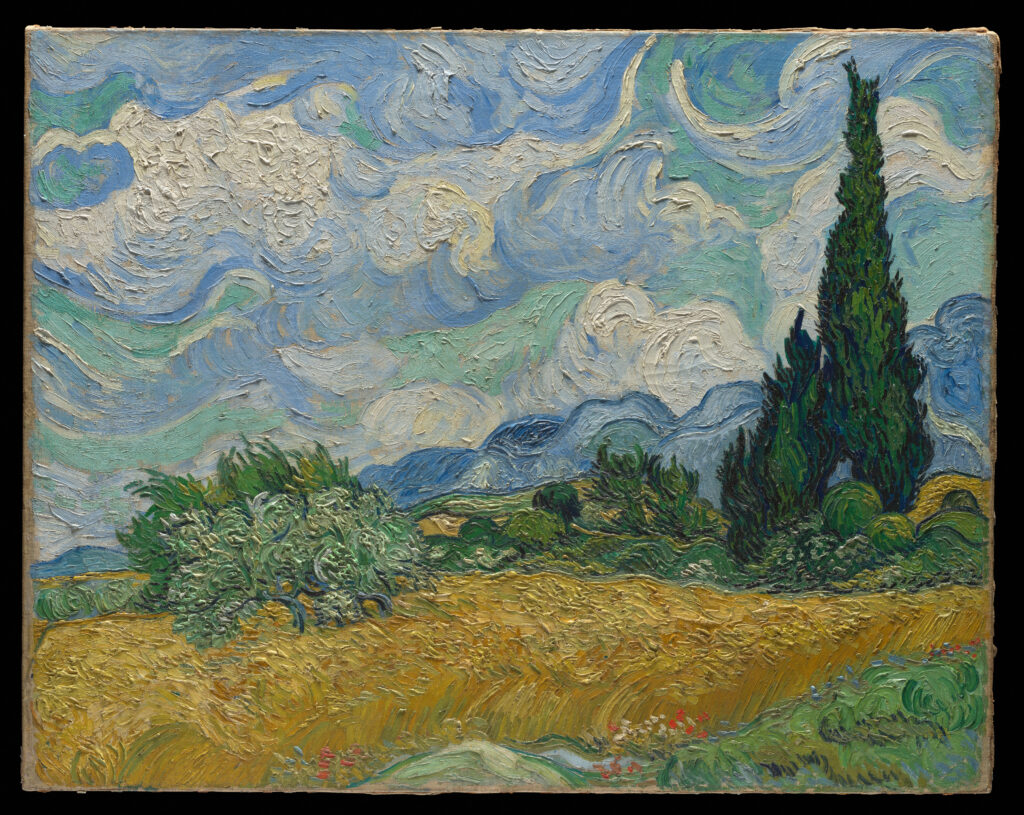
Work that is truly copyright-free is extremely rare and may be suspect (meaning: some people claim that a work is copyright-free without truly knowing who the owner is). Content may be considered copyright-free if it has entered the public domain or if the rights holder is offering it for free, usually as a form of promotion. For example, many images of artwork from The Met collection are in the public domain and is considered copyright-free, so they can be used without needing permission.
If you are using a piece of copyright-free material, proceed with caution. Make sure you do extra research to be absolutely certain that you are not infringing on someone else’s copyright.
What is royalty-free?
Royalty free is used to describe creative materials that don’t require additional payments (aka royalties) to the original author for use in media projects. This is often because a company (i.e. Storyblocks) has negotiated a license with the author, which allows their customers to use the author’s creative materials within certain mutually agreed upon contexts (i.e. in a YouTube video, on Instagram, in a commercial etc.).
But while royalty-free means you typically don’t need to pay royalties to the original creator, it does not mean you can use the content for free. Typically, whoever is providing the royalty-free license will do so for a one-time fee or as part of a subscription, like Storyblocks or other stock libraries. Even if you’ve paid a fee or subscription, however, the ways that you are permitted to use the royalty-free content will depend on the specifics of the license.
With Storyblocks, part of your subscription fee pays the original author for permission to use the work. That way, you don’t have to track an author down to pay them, as long as your use is covered by the license you purchased with us.
Royalty-free vs copyright-free
To bring everything we’ve covered together, we’ve covered the key differences and aspects to understand about these two types of licensing in the table below.
| Royalty-free | Copyright-free | |
| Copyright ownership | Copyright still exists and remains with the creator or rights holder | Typically means no copyright applies (e.g., public domain), or the term is used loosely |
| What you get | A license to use the content under specific terms | The right to use the content without needing permission |
| Cost | One-time fee or subscription; no recurring royalties | Usually free to use |
| Usage limits | Allowed uses are defined in the license (e.g., commercial use, redistribution limits) | Generally no usage restrictions |
| Attribution required | Usually not required (depends on the license – Storyblocks does not require attribution) | Often not required, but recommended as best practice |
| Risk level | Low risk when sourced from reputable providers and used within license terms | Can be higher risk if “copyright-free” status is unclear or misrepresented |
| Common sources | Stock media platforms like Storyblocks, music libraries, asset marketplaces | Public domain archives, government works, expired copyrights |
How is Storyblocks’ stock content licensed?
Everything in Storyblocks’ library, including our stock content, is 100% royalty-free and members are licensed to use our assets worldwide, including in YouTube videos. Anything that you create and publish while your Storyblocks subscription is active will be covered in perpetuity by our license, forever.
With Storyblocks, all the footage, templates, motion backgrounds, music, sound effects and images in our library are royalty free. Any projects you use our assets in are covered under one license. That way, you don’t have to track different licenses for different assets or projects.
Storyblocks brings content creators together. While much of what you see on Storyblocks is exclusive to our library, some of our contributors are allowed to sell their content on other sites. All of the music under our Storyblocks Label is unique to our library, which helps prevent copyright strikes and claims on your videos. The footage created through our award-winning Re: Stock initiative is also exclusive to Storyblocks.
Handling claims or strikes
Occasionally, you may receive a Content ID claim on YouTube or similar automated copyright claim on content you have licensed from Storyblocks. Rest assured, you are cleared to use any content you have licensed from us, and the majority of the time these claims are being made in error.
If you haven’t already, make sure to update your YouTube channel ID within the My Account section of your Member Dashboard. When you provide us with your YouTube channel, we’re able to have most claims automatically resolved within 30 minutes – no additional action required by you! To learn more about licensing music for YouTube, check out our article on the topic here.
If you have already provided Storyblocks with your YouTube channel ID and your claim was not automatically resolved within 30 minutes, we can still help you dispute the claim. Simply navigate to the Claims Dispute Form in the YouTube Claims section of your account and fill out the form. These claims are typically resolved within 72 hours.
FAQs
How can I check if a song or other asset is royalty-free?
The best way to know if a song is royalty-free is to look at the website where you found it. Generally, it’s best to start with websites that have royalty-free content, so there’s a good chance what you find there will be royalty-free.
But you should always check the terms, license, and specifics/fine print of the asset and website/provider to make sure it covers your specific use case and to see if there’s any requirements for using it (i.e. attribution).
If you’re looking elsewhere, it’s better to assume the content is copyrighted unless you read something that says otherwise. But it’s better to be cautious and use content that you’re 100% sure is royalty-free rather than risk infringement and legal issues.