The right music can make or break a YouTube video. A great song will increase viewer engagement and interest while giving your content a big production quality boost. But using music without securing the proper license can land you in a heap of trouble, from copyright claims to revenue loss, video removal, or even channel termination.
This guide will walk you through the essentials of music licensing for YouTube, explain the different licensing options available, and outline the best practices for staying copyright compliant. Keep reading to learn more, or watch our video on licensing music for YouTube below.
Understanding music licensing
What is music licensing?
Music licensing is all about securing legal permission to use a song for a specific purpose, such as a YouTube video. The licensing process ensures copyright holders, like songwriters or composers, are fairly compensated for the use of their work. Music licensing also protects video creators and brands from lawsuits or other potential unpleasant consequences from using published works without approval.
What is copyright?
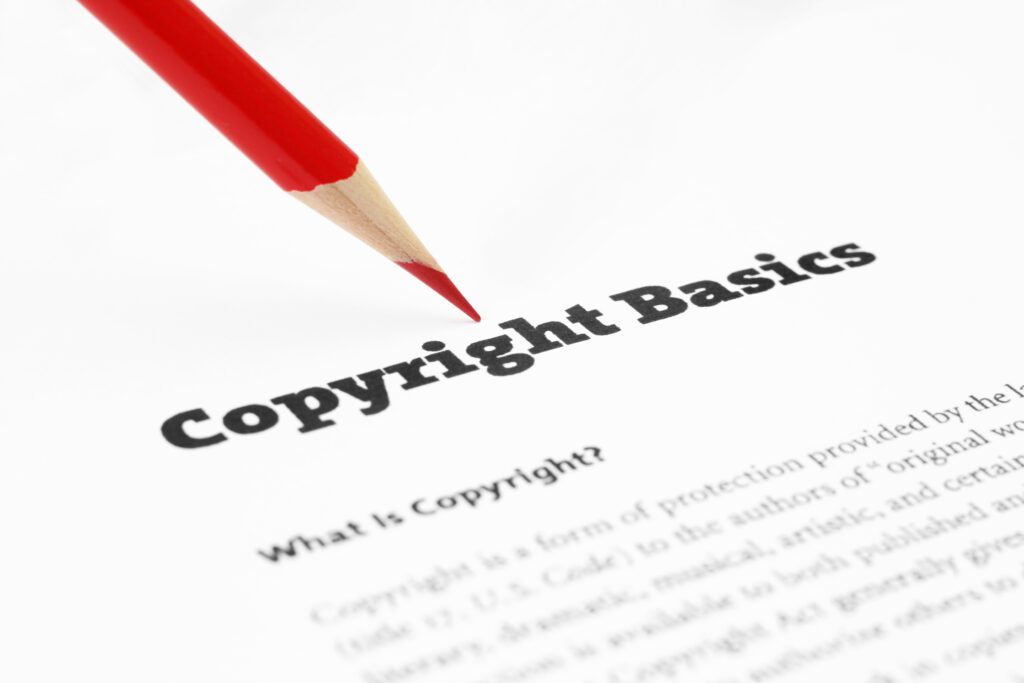
Copyright is an exclusive legal right held by the creator of original works, including music, which gives them control over how and where they’re used. Without proper licensing, using copyrighted music in your videos could violate this right.
Why you need music licensing for YouTube
Without proper music licensing on YouTube, you could face copyright claims, a reduction in revenue, or in some cases, removal of your video. It’s also important to note that even royalty free music still needs the right license to avoid strikes and running into issues.
Users upload around 500 hours of video content to YouTube every single minute. Which means it’s simply not possible for a human being to personally verify everything posted has secured a proper copyright. That’s why YouTube’s Content ID system automatically scans videos for copyrighted material.
The different types of music licenses
There are several different music licenses for YouTube videos, including synchronization licenses and master use licenses. It’s a good idea to become familiar with them all, especially if you use different types of compositions from different sources across various projects and platforms.
Synchronization (Sync) License
A synchronization license (or sync license) is required when combining music with audiovisual media such as TV shows, films, commercials, or YouTube videos. A sync license gives creators permission to use a copyrighted composition in a new, derivative work.
Master Use License
A master use license is needed to use a specific sound recording in a video project. While a sync license covers entire compositions, a master license covers the audio recording itself. They’re typically granted by a record label or the rights holder who owns the actual recording you wish to use.
Storyblocks provides both sync and master use licenses with every download, and offers 100% exclusive royalty-free music that’s cleared for YouTube and other platforms.
How to legally use music in your videos
a. Utilizing YouTube’s audio library
YouTube has its own library of free music and sound effects that can be used in videos on the platform. Music from this library is pre-cleared for use on YouTube, but some may have attribution requirements. You won’t find the latest chart-toppers here, but it’s a solid option for creators looking for simple, free-to-use music.
However, be warned that there are stories of people getting hit with strikes, even after using audio from YouTube’s own library. Their Content ID tool is more of a blunt instrument vs a fine tool, so there’s always a chance strikes can happen even if you do everything right.
b. Licensing music from stock libraries
Stock music libraries provide a wide variety of music you can use as the soundtrack for your next video project. Depending on your needs, you can either opt for a subscription plan or purchase licenses for individual tracks.
Platforms to consider
You’ll have a better chance of finding the perfect music for your video if you search the libraries of the numerous stock media platforms out there. Just some of these include Storyblocks, Lickd, Premium Beat, and Artlist.
Storyblocks does not offer individual songs for purchase, but has an unlimited download subscription for all of their human-made stock assets (including music, footage, images, sfx, and more) that’s covered by one comprehensive license that includes YouTube use. Because Storyblocks offers an 100% exclusive music library, you’re less likely to get hit with claims, since you won’t find their tracks on any other platform. But in case you do get a claim, they provide YouTube Content ID support to help get them dismissed quickly and resolve any issues.
How it works
Consider a subscription plan if you’ll need a variety of tracks on a regular basis, or pick and choose individual tracks if your needs are more specific. Either option lets you download music with clearly defined rights and usage terms without the stress of navigating the copyright minefield. Just be sure to carefully read the license that comes with your subscription or asset, to make sure it covers use on YouTube for your channel.
Benefits
When you license music for YouTube, a stock library puts a wide assortment of rights-cleared music options at your fingertips. It offers a simple, streamlined licensing process, with plenty of royalty free music options available to eliminate recurring fees. Clear documentation will ensure you understand the limits of your license, which will help shield you from copyright claims.
c. Direct licensing from rights holders
If you want to license a specific commercial song, you’re required to contact the rights holder to obtain a license. Depending on the piece of music, it could be the artist themselves, or their label or publisher. But be prepared: You may have to negotiate, and could pay higher fees, especially for more popular music.
When licensing a piece of music from the rights holder, it’s always best to get written permission to avoid future complications. But there are a few other things you’ll want to keep in mind as well.
Best practices for using licensed music
When learning how to get a music license for YouTube, the following best practices will help make the process as seamless as possible.
Always review your license terms
Before you license music for YouTube, always read the fine print to ensure it actually covers your intended use. It’s also a good idea to be sure you understand the limitations of the license. For instance, whether it covers multiple platforms or only YouTube. You might have to pay more if you plan on using a piece of copyrighted music for videos on other sites.
Stay on top of documentation
As with any business arrangement, it’s a good idea to keep copies of any agreements, licenses, and purchase receipts. This paperwork will become your best friend if you ever need to dispute a copyright claim.
Provide proper attribution
Even if you don’t have to pay to use a piece of music, you may still have to tip your hat to the rights holder by giving them attribution. If you are using Creative Commons or other attribution-required music, make sure to properly credit the creator. Credit where credit’s due!
Understanding and avoiding Content ID claims
It may be tempting to attempt to sneak copyrighted music into your video, but this can cause way more headaches than it’s worth. YouTube’s Content ID system auto-scans videos for copyrighted music and can flag or demonetize your video if copyrighted material is detected.
The system can also mistakenly flag royalty-free music if it’s improperly licensed or lacks the required documentation. In either case, it can be a fast track to a copyright claim from the rights holder.
If you encounter a Content ID claim on your YouTube video, read our detailed guide on how to resolve them for step-by-step guidance.
Alternative options for music
Licensing is a great way to get the music you want for your videos, but it’s not the only option, especially if you’re worried about the risk of claims.
Compose your own music
If you’re musically inclined, you can always try your hand at producing your own tracks. This way the creator and rights holder will be one and the same, so there’s no possibility of a copyright issue cropping up. Making your own music can also be a great way to establish a unique, recognizable brand with a signature sound.
A note on AI-generated music
With many tools available now to generate music with AI, some creators are going that route versus using stock music or other resources. An important thing to keep in mind with AI music is that as of 2026, you cannot license AI-generated music or claim it as a copyright – all AI-generated music falls into the public domain.

Commission custom music
There are plenty of composers and musicians out there ready and waiting to create an exclusive piece of music for your videos. Commissioning a custom work gives you full control over how the music is used and distributed. If you go this route, make sure you have clear, written agreements with the composer about usage and copyright.
Explore Storyblocks’ library of royalty free music
Music licensing for YouTube gets a whole lot easier when you know your options.
Properly licensed music sourced from stock libraries, direct licensing, or custom compositions, protects your channel and lets you monetize your content with confidence. Storyblocks’ music library contains tens of thousands of 100% exclusive, human-made, and royalty-free music tracks to explore for your next project.
Check out Storyblocks for your music licensing needs and create with confidence knowing that we help protect your videos from being taken down for music copyright violations.